Unlocking Creativity with Retro Basic Shapes Object Illustration
In a world where visual communication is more critical than ever, the strategic use of Retro Basic Shapes Object Illustration offers a powerful tool for creators, marketers, and professionals. This style, rooted in simplicity and clarity, brings a nostalgic yet timeless aesthetic that resonates across industries. By leveraging these illustrations, you can enhance branding, streamline design processes, and create content that speaks directly to your audience's emotional and visual preferences.
The Essence of Retro Basic Shapes Object Illustration
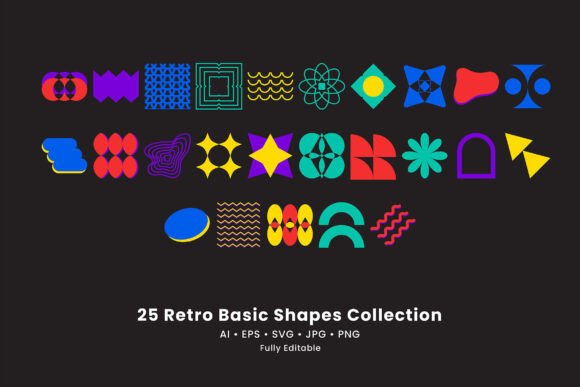
Retro Basic Shapes Object Illustration is characterized by its clean lines, minimalistic forms, and a focus on essential shapes such as circles, squares, triangles, and abstract figures. These elements are often rendered in bold colors and flat designs, evoking a sense of nostalgia while maintaining modern appeal. The retro aspect of this style draws inspiration from mid-century design movements, offering a balance between vintage charm and contemporary relevance.
What makes Retro Basic Shapes Object Illustration strategically useful is its ability to convey complex ideas through simplicity. Whether used in marketing materials, educational content, or digital interfaces, these illustrations can communicate messages efficiently without overwhelming the viewer. This makes them particularly effective in environments where quick comprehension and visual clarity are paramount.
Why Strategic Use Matters
When applied thoughtfully, Retro Basic Shapes Object Illustration can support multiple aspects of your creative and business goals. For instance, in branding, it helps establish a consistent visual identity that is both memorable and versatile. In education, it aids in simplifying abstract concepts, making learning more engaging and accessible. For marketing, it enhances storytelling by creating visuals that evoke emotion and reinforce brand values.
Moreover, this style supports decision-making by reducing cognitive load. When information is presented clearly and concisely, it allows audiences to focus on the core message rather than being distracted by excessive detail. This is especially valuable in fast-paced environments where time and attention are limited.
Strategic Applications of Retro Basic Shapes Object Illustration
The versatility of Retro Basic Shapes Object Illustration means it can be applied across various contexts. Here are some practical use cases:
- Branding and Identity: Use these illustrations to create logos, icons, and visual elements that reflect your brand’s personality and values.
- Marketing Materials: Incorporate them into social media posts, banners, and email campaigns to capture attention quickly and effectively.
- Learning and Education: Apply them in infographics, lesson plans, and interactive content to simplify complex topics.
- User Experience (UX) Design: Utilize them in website layouts, app interfaces, and mobile applications to improve usability and engagement.
- Content Creation: Integrate them into blog posts, videos, and presentations to enhance visual storytelling and audience retention.
Each of these applications requires careful planning and consideration. For example, when designing for a specific audience, it's important to align the style of the illustration with their expectations and preferences. A professional audience might respond better to a more refined and polished look, while a younger demographic may appreciate a bolder, more playful approach.
Planning Tips for Effective Use
To ensure that Retro Basic Shapes Object Illustration serves your objectives effectively, consider the following tips:
- Define Your Goals: Before selecting or creating illustrations, clarify what you want to achieve. Are you aiming to educate, entertain, or persuade? Your goals will guide the choice of style, color palette, and composition.
- Understand Your Audience: Research your target audience to determine which visual elements resonate with them. Consider factors such as age, interests, and cultural context.
- Choose the Right Tools: Use vector graphic software like Adobe Illustrator or free alternatives like Inkscape to create scalable and high-quality illustrations that maintain clarity at any size.
- Test and Iterate: Experiment with different variations of your illustrations and gather feedback. Refine your designs based on what works best for your intended purpose.
- Ensure Consistency: Maintain a cohesive visual language across all your materials. Consistency reinforces brand recognition and improves overall user experience.
By following these steps, you can maximize the impact of Retro Basic Shapes Object Illustration and ensure it aligns with your broader strategic objectives.
Long-Term Value and Risk Management
While Retro Basic Shapes Object Illustration offers numerous benefits, it's important to recognize the risks associated with its misuse. Without clear goals or context, these illustrations can become generic or ineffective. They may fail to engage your audience if they don't align with your brand voice or messaging.
Additionally, relying solely on this style without diversification can limit your creative options. It's essential to integrate it with other design elements and styles to keep your content fresh and relevant. Regularly reviewing and updating your visual strategy ensures that your use of Retro Basic Shapes Object Illustration remains intentional and impactful.
Ultimately, the key to success lies in using Retro Basic Shapes Object Illustration as part of a well-rounded approach. By combining it with thoughtful planning, audience insight, and continuous improvement, you can unlock its full potential and drive meaningful results.